How to Pick a Chair That Actually Feels Like a Hug (Not a Torture Device)
Many people end workdays with backaches that feel like carrying a backpack full of bricks, or shift in their chairs dozens of times during Zoom calls just to find a "less uncomfortable" position. The average person spends 8+ hours a day sitting, yet most treat chairs as an afterthought. A bad chair doesn't just ruin posture; it drains energy, disrupts focus, and turns even favorite Netflix marathons into a chore.
The good news is that choosing an ergonomic chair does not require a degree in chiropractic care. Here are three practical tips for everyone who prioritise spine.
three practical advice
Lumbar support
your best companion for the lower back. Leaning forward unconsciously is a signal that your lower back needs support. When sitting, the natural curve of the lumbar spine (the lower back) often becomes flat, putting extra pressure on the intervertebral discs and muscles. A chair with proper lumbar support - such as one with subtle curves or adjustable pads that gently press into the lower back - can maintain this vital curve. If you are currently suffering from the discomfort of a bad chair, you can also purchase an ergonomic lumbar support to improve your situation; however, a more direct and permanent solution would be to replace your chair.
Seat depth and comfort
no more numb legs. Numbness in the legs after prolonged sitting usually stems from inadequate seat depth. A seat that is too deep can cause the knees to hang off the edge, blocking blood circulation; too shallow leads to sitting on the edge. The ideal seat depth when sitting fully upright allows for a gap of 2-3 inches between the back of the knees and the edge of the seat. Cushioning is crucial; foam with moderate density, good breathability, and the ability to retain its shape is ideal-it should be firm enough to support weight without flattening, and breathable enough to prevent thigh sweating during prolonged use.
Armrest design
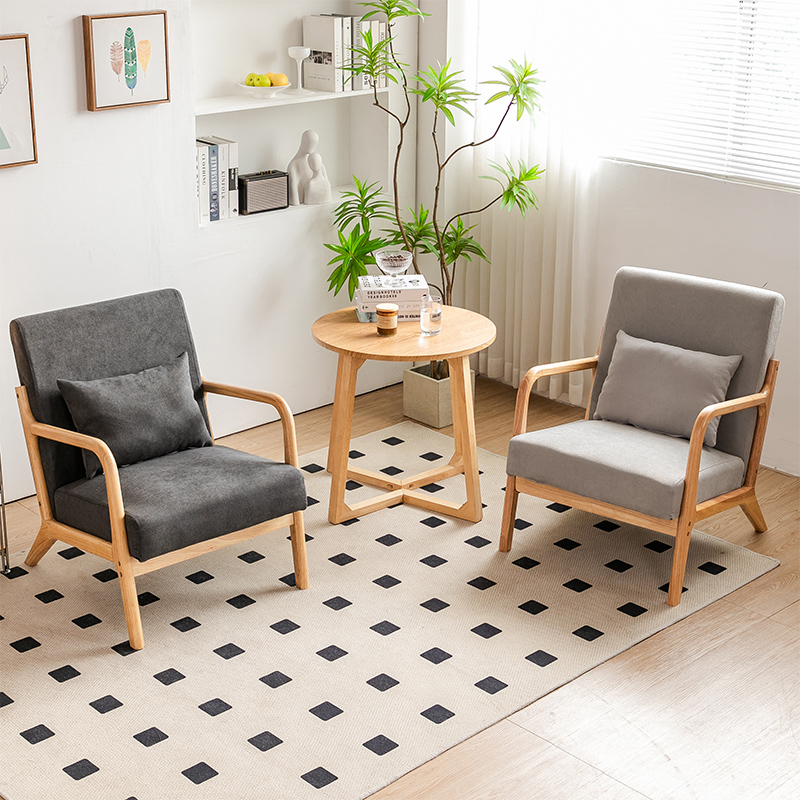
the key to alleviating shoulder tension Ignoring armrests often leads to shoulder tension and unnatural posture. When sitting or relaxing at a desk, the arms should be placed naturally without slouching or overextending - this helps reduce tension in the shoulders, neck and upper back. Well-designed armrests can serve as a "resting platform" for the arms, preventing them from hanging limply or being supported awkwardly.
a little reminder
When purchasing a chair, it is best to avoid testing it for only 10 seconds if possible. To evaluate lumbar support, check the seat depth, and adjust the tilt. Your back will thank you for such careful consideration. For those who are tired of searching for the 'perfect fit', the best chairs come equipped with all the necessary features – no compromises, no guesswork. Given that half of the day is spent in a chair, it should feel as if it has been tailored for the user.