


As a seasoned display cabinet supplier, I've witnessed firsthand the evolution of materials used in crafting these essential fixtures. Display cabinets serve a crucial role in various settings, from retail stores and museums to homes and offices, providing a secure and attractive way to showcase valuable items. In this blog post, I'll explore the commonly used materials for making display cabinets, highlighting their unique properties, advantages, and ideal applications.
Wood
Wood is one of the oldest and most traditional materials used in furniture making, including display cabinets. It offers a warm, natural aesthetic that can add a touch of elegance and sophistication to any space. There are several types of wood commonly used for display cabinets, each with its own characteristics.
Hardwoods
Hardwoods such as oak, cherry, and mahogany are popular choices for high - end display cabinets. They are known for their durability, strength, and beautiful grain patterns. Oak, for example, is a strong and versatile wood that can be stained to achieve a variety of colors, from light golden hues to rich, dark browns. Cherry wood has a smooth, fine texture and a natural reddish - brown color that deepens with age, giving the cabinet a timeless appeal. Mahogany is another premium hardwood, prized for its rich color and excellent workability. It is often used in the construction of elaborate, ornate display cabinets.
Softwoods
Softwoods like pine and cedar are also used in display cabinet construction, especially for more budget - friendly options. Pine is a light - colored wood with a relatively straight grain. It is easy to work with and can be painted or stained to achieve a desired look. Cedar, on the other hand, has a natural aroma that can help repel insects, making it a good choice for displaying items that may be susceptible to pest damage.
Advantages of wood display cabinets include their ability to be customized with intricate details, such as carved moldings and inlays. They also offer good insulation properties, which can help protect the items inside from temperature and humidity fluctuations. However, wood requires regular maintenance, such as polishing and refinishing, to keep it looking its best.
Glass
Glass is a staple material in display cabinet design, as it allows for clear visibility of the displayed items. There are different types of glass used, each with specific features.
Clear Glass
Clear glass is the most common type used in display cabinets. It provides an unobstructed view of the contents, making it ideal for showcasing products in retail settings or artifacts in museums. Clear glass is available in various thicknesses, with thicker glass being more durable and less likely to break.
Tempered Glass
Tempered glass is a type of safety glass that is heat - treated to increase its strength. It is four to five times stronger than regular glass and, when it breaks, it shatters into small, relatively harmless pieces rather than large, sharp shards. Tempered glass is often used in display cabinets where safety is a concern, such as in public areas or for displaying valuable items.
Acrylic Glass
Acrylic glass, also known as plexiglass, is a lightweight and shatter - resistant alternative to traditional glass. It is highly transparent and can be easily molded into different shapes. Acrylic is also more impact - resistant than glass, making it a good choice for display cabinets that may be subject to accidental bumps or knocks. For example, our 20 inch acrylic Toy Display Case is made of high - quality acrylic, providing a safe and clear way to showcase toys.
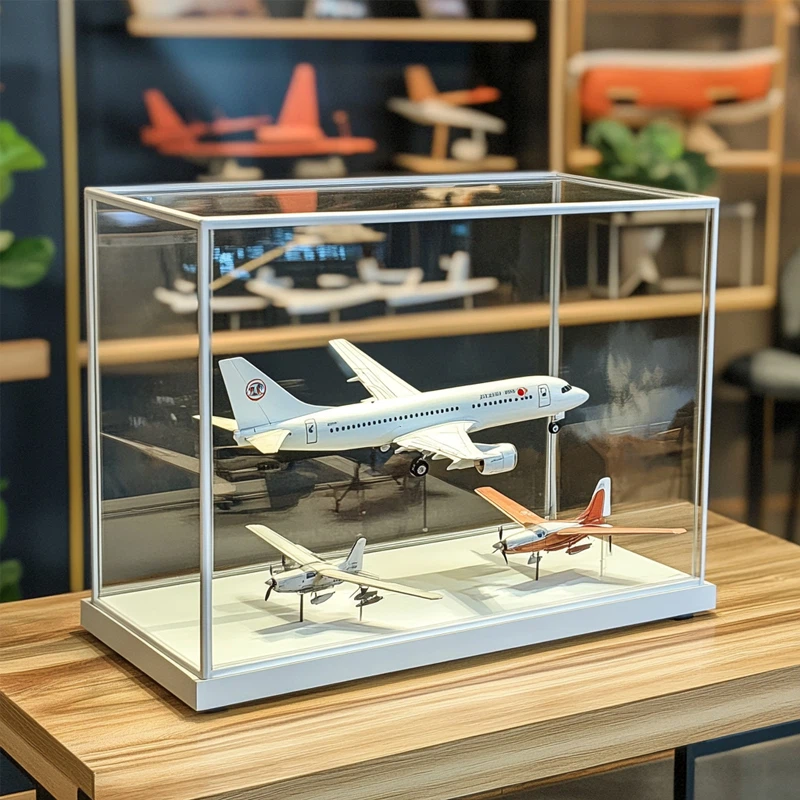
One of the main advantages of glass display cabinets is their ability to create a modern and sophisticated look. They also allow for maximum light transmission, which can enhance the visibility of the displayed items. However, glass can be prone to smudging and fingerprints, requiring regular cleaning.
Metal
Metal is a versatile material that can be used in display cabinet construction, either as the main structural component or as decorative accents.
Steel
Steel is a strong and durable metal commonly used in the frames of display cabinets. It can withstand heavy loads and is resistant to corrosion, especially when it is galvanized or powder - coated. Steel frames provide a sturdy support structure for the cabinet, ensuring its stability.
Aluminum
Aluminum is a lightweight metal that is also corrosion - resistant. It is often used in the construction of display cabinets for its ease of fabrication and modern appearance. Aluminum frames can be anodized to create a protective and decorative finish in a variety of colors.
Brass and Copper
Brass and copper are metals that are valued for their aesthetic appeal. They have a warm, golden - brown color that can add a touch of luxury to a display cabinet. These metals are often used for decorative elements such as handles, hinges, and trim.
Metal display cabinets offer a contemporary and industrial look. They are also relatively low - maintenance compared to wood. However, they can be more expensive than some other materials, especially if high - quality metals are used.
Plastic
Plastic is a cost - effective and lightweight material that is increasingly being used in display cabinet manufacturing.
Polycarbonate
Polycarbonate is a strong and impact - resistant plastic that is often used as an alternative to glass. It has excellent optical clarity and can be molded into various shapes. Polycarbonate is also resistant to UV rays, making it suitable for display cabinets that are exposed to sunlight.
PVC
PVC (polyvinyl chloride) is a widely used plastic known for its affordability and ease of processing. It can be used in the construction of display cabinets, either as a solid panel or in a hollow profile. PVC is available in a variety of colors and can be easily cut and joined to create different cabinet designs.
Plastic display cabinets are easy to clean and maintain. They are also resistant to moisture and chemicals, making them suitable for use in humid or industrial environments. However, some plastics may not have the same level of durability or aesthetic appeal as other materials.
Composite Materials
Composite materials are made by combining two or more different materials to create a product with enhanced properties.
MDF (Medium - Density Fiberboard)
MDF is a composite wood product made from wood fibers and resin. It has a smooth surface that is ideal for painting or veneering. MDF is less expensive than solid wood and is available in large sheets, making it easy to work with for large - scale display cabinet production.
Particleboard
Particleboard is another composite material made from wood particles and adhesive. It is a budget - friendly option that can be used for the interior components of display cabinets. However, particleboard is not as strong as MDF or solid wood and may require additional reinforcement.

Composite materials offer a good balance between cost and performance. They can be used to create display cabinets with a variety of finishes and styles. However, they may not be as durable as solid wood or metal in some cases.
In conclusion, the choice of material for a display cabinet depends on several factors, including the intended use, budget, aesthetic preferences, and durability requirements. As a display cabinet supplier, I can help you select the most suitable material for your specific needs. Whether you're looking for a classic wood cabinet, a modern glass - and - metal design, or a cost - effective plastic option, we have the expertise and resources to provide you with high - quality display cabinets. If you're interested in purchasing display cabinets for your business or personal use, I encourage you to contact us to discuss your requirements and start the procurement process.
References
- "Wood Handbook: Wood as an Engineering Material." Forest Products Laboratory.
- "Glass: Properties and Applications." American Glass Association.
- "Metals in Construction: A Guide." American Institute of Steel Construction.
- "Plastics in Design and Manufacturing." Society of Plastics Engineers.