


Hey there! As a bookcase supplier, I've seen it all when it comes to the materials used to craft these essential pieces of furniture. Let's dive into the commonly used materials for making bookcases and explore what each has to offer.
Wood
Wood is hands - down one of the most popular materials for bookcases, and for good reason. It's been used for centuries and brings a natural, warm look to any space.
Solid Wood
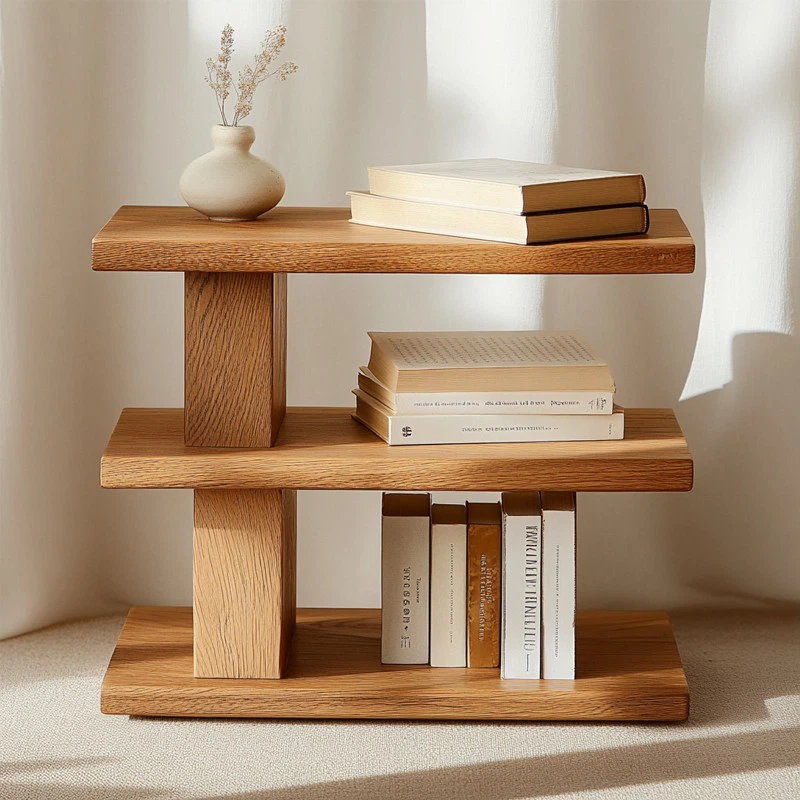
Solid wood bookcases are the epitome of quality and durability. They're made from a single piece or multiple pieces of natural wood, like oak, maple, or cherry. Oak is a favorite because it's incredibly strong and can withstand a lot of wear and tear. It also has a beautiful grain pattern that adds character to the bookcase. Maple, on the other hand, is known for its smooth finish and light color, making it a great option for modern or minimalist spaces.
One of my personal recommendations is the Small Solid Wood Book Case with Doors. It's crafted from high - quality solid wood, providing a sturdy place to store your books while adding a touch of elegance to your home. Solid wood bookcases can last for generations if properly cared for, making them a great long - term investment.
Plywood
Plywood is another wood - based option that's commonly used. It's made by gluing together thin layers of wood veneer, which gives it strength and stability. Plywood is often more affordable than solid wood, making it a budget - friendly choice for those who still want the look of wood. It's also less likely to warp or crack compared to solid wood, which is a big plus.
Plywood bookcases can be finished in a variety of ways. You can stain them to match your existing decor or paint them for a more customized look. They're a versatile option that can fit into any style of room.
Metal
Metal bookcases are becoming increasingly popular, especially in modern and industrial - style spaces. They offer a sleek and contemporary look that can really make a statement.
Steel
Steel is a common metal used in bookcase construction. It's strong, durable, and resistant to corrosion. Steel bookcases can come in a variety of finishes, such as black powder - coating or chrome plating. The black powder - coated steel bookcases give off an edgy, urban vibe, while the chrome - plated ones add a touch of glamour.
For those who love a modern aesthetic, the Rose Gold Metal Frame Bookshelf is a great option. The rose gold frame adds a trendy and elegant touch, making it a focal point in any room. And don't worry about the weight of your books; steel can handle a heavy load without any issues.
Aluminum
Aluminum is a lighter alternative to steel. It's also resistant to rust, which makes it a great choice for outdoor or high - humidity areas. Aluminum bookcases are often easy to move around, which can be a plus if you like to rearrange your furniture frequently. They can have a more minimalist look, with clean lines and a light - weight feel.
Glass
Glass is a unique material for bookcases that can add a touch of sophistication and openness to a space.
Tempered Glass
Tempered glass is the most commonly used type of glass for bookcases. It's stronger and safer than regular glass because it's heat - treated during the manufacturing process. If it does break, it shatters into small, round pieces instead of sharp shards, reducing the risk of injury.

Glass bookcases can create an open and airy feel, making them ideal for small rooms. They also showcase your books beautifully, allowing you to easily see and access them. Some glass bookcases have a metal or wood frame to provide additional support and style.
Particle Board
Particle board is a budget - friendly option made from wood particles and resin. It's often used in mass - produced bookcases. While it's not as strong or durable as solid wood or metal, it can still be a functional choice for those on a tight budget or for temporary storage.
Particle board bookcases usually come with a laminate or veneer finish to give them a more appealing look. However, they need to be handled with care as they can be prone to damage from moisture and heavy weight.
Combining Materials
Many bookcases on the market today combine different materials to take advantage of their unique properties. For example, a bookcase might have a wooden frame with glass shelves for a look that's both warm and contemporary. Or it could have a metal frame with solid wood panels for added strength and style.
One interesting option is the free standing Bookshelf Partition. It combines the functionality of a bookcase with the practicality of a partition. The materials used in this design are carefully chosen to ensure both durability and style, making it a great addition to any room.
Which Material is Right for You?
Choosing the right material for your bookcase depends on several factors. If you're looking for a classic, timeless look and are willing to invest in a high - quality piece, solid wood is the way to go. If you want a modern, industrial look, metal or glass might be more your style. And if you're on a budget, particle board or plywood could be suitable options.
Consider the amount of weight you'll be putting on the bookcase. If you have a large collection of heavy hardcover books, a solid wood or metal bookcase will be more able to handle the load. Also, think about the environment where the bookcase will be placed. If it's in a humid area, materials like aluminum or tempered glass might be better choices to prevent damage.
Let's Talk Business!
Whether you're a homeowner looking to add a beautiful bookcase to your living room or a business owner in need of storage solutions for your office, I'm here to help. I offer a wide range of bookcases made from different materials, each designed to meet your specific needs and style preferences.
If you're interested in learning more about our products, getting a quote, or discussing a custom - made bookcase, don't hesitate to reach out. We can work together to find the perfect bookcase that fits your space and budget.
References
- Furniture Today Magazine
- Home & Garden Design Guides
- Woodworking and Metalworking Industry Reports