


The word "chair" has a long and fascinating history that spans cultures and centuries. As a chair supplier, I've always been intrigued by the origins of this everyday item and how its name came to be. In this blog post, I'll delve into the etymology of the word "chair" and explore its evolution over time.
Ancient Roots
The concept of a chair as a seat for one person dates back to ancient times. In ancient Egypt, for example, chairs were symbols of status and power. Pharaohs and other high - ranking officials sat on elaborately carved and decorated chairs, often with lion or bull legs and richly upholstered seats. The word for chair in ancient Egyptian hieroglyphs was related to the idea of a throne or a place of authority.
Moving on to ancient Greece, the Greeks had a word "thronos", which was used for a royal or divine seat. While it was more associated with a throne, it also set the precedent for a raised and significant seat. From the Greek influence, the Romans developed their own seating concepts. The Roman "sella" was a general term for a seat, which could range from a simple stool to a more elaborate chair. The "sella curulis" was a special type of folding chair used by high - ranking Roman officials, symbolizing their power and authority.
The Evolution of the Word "Chair"
The English word "chair" comes from the Old French word "chaiere", which in turn was derived from the Latin "cathedra". The Latin "cathedra" originally meant a teacher's seat or a professor's chair. It was used in the context of academic or religious institutions, where the person sitting on the "cathedra" had the authority to teach or preach.
As the word moved from Latin to Old French and then into Middle English, its meaning expanded. By the 13th century, "chair" in English was used to describe any seat designed for one person, not just those with a special symbolic or academic significance. This expansion of meaning reflects the growing availability and variety of seating options in medieval Europe.
Cultural Significance
Throughout history, chairs have carried different cultural meanings. In many Asian cultures, sitting on the floor was the norm for a long time, and chairs were introduced relatively late. When they did arrive, they often had a connection to Western influence or were used in more formal settings. For example, in Japanese tea ceremonies, the "za" was a special type of tatami - style seat, but Western - style chairs are now commonly used in modern Japanese homes and offices.
In Western cultures, chairs have been associated with social status. In a formal dining setting, the head of the table is typically marked by a more elaborate or larger chair, indicating the position of the host or the most important person at the gathering. In a boardroom, the "chair" of the meeting sits at the head of the table, symbolizing their leadership role.
Modern Chair Design and the Word
Today, the word "chair" encompasses an incredibly diverse range of seating options. From minimalist modern chairs made of plastic and metal to traditional wooden chairs with intricate carvings, the concept of a chair has adapted to modern lifestyles and design trends.
As a chair supplier, I offer a wide variety of chairs to meet different customer needs. For example, if you're looking for a chair for your dining table, our 6 seater Solid Round Wood Chairs for Dining Table are a great option. They are made of high - quality solid wood, providing both durability and a classic look for your dining room.
If you prefer a more contemporary and stylish option, our Metal Frame Accent Upholstered Chair is a perfect choice. The metal frame gives it a modern edge, while the upholstery adds comfort and a touch of elegance.
For outdoor use, our 3 seater black outdoor garden lounge chairs are designed to withstand the elements and provide a comfortable place to relax in your garden.
The Future of Chairs and the Word
As technology advances and design trends continue to evolve, the concept of a chair will likely change further. We may see chairs with built - in smart technology, such as sensors to adjust the seat's position based on the user's posture or chairs made from new, sustainable materials.

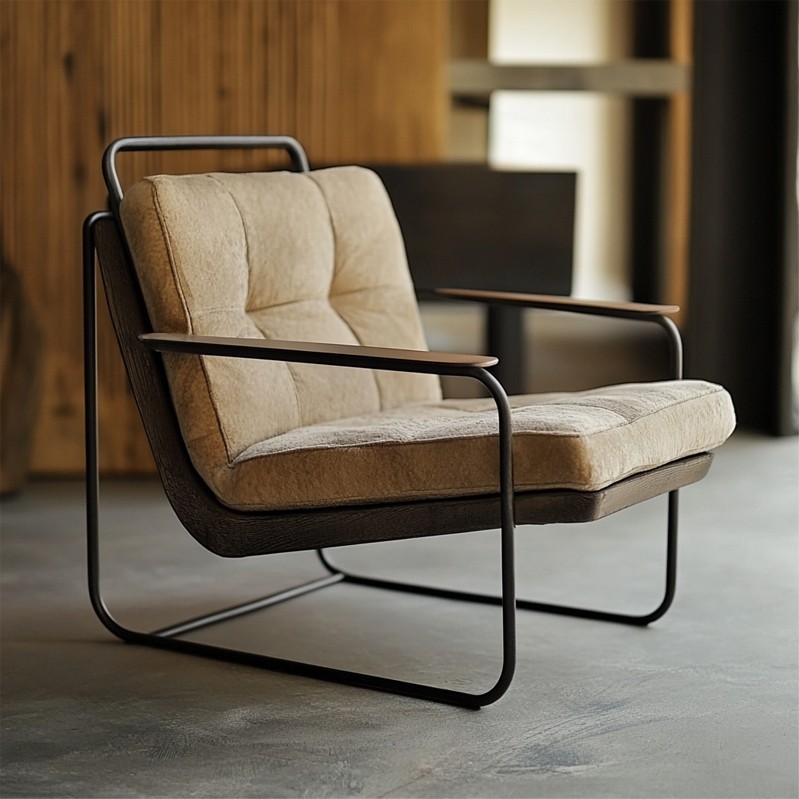
However, the word "chair" will likely remain a constant, continuing to represent a place of comfort, authority, and social interaction. Whether it's a simple folding chair for a picnic or a high - tech office chair with all the latest features, the essence of what a chair is will stay rooted in its long and rich history.
Contact for Procurement
If you're interested in purchasing chairs for your home, office, or any other setting, we'd love to hear from you. Our team of experts can help you choose the right chairs based on your needs, style preferences, and budget. We offer competitive prices, high - quality products, and excellent customer service. Contact us today to start the procurement process and find the perfect chairs for your space.
References
- Oxford English Dictionary
- "A History of Furniture" by John Gloag
- "The Chair: From Craft to Design" by John Pile