


Training your dog to use a crate can be a rewarding experience for both you and your furry friend. As a dog crate supplier, I've seen firsthand the benefits of crate training and the positive impact it can have on a dog's behavior and well - being. In this blog post, I'll share some practical tips on how to train your dog to use a crate effectively.
Understanding the Purpose of Crate Training
Before you start the training process, it's important to understand why crate training is beneficial. A crate can serve as a safe and comfortable den for your dog, providing a sense of security. It can also be a useful tool for housebreaking, as dogs are naturally inclined to keep their sleeping area clean. Additionally, crates can help prevent destructive behavior when you're unable to supervise your dog closely.
Choosing the Right Crate
Selecting the appropriate crate is the first step in successful crate training. The crate should be large enough for your dog to stand up, turn around, and lie down comfortably. However, it shouldn't be so large that your dog has enough space to use one corner as a bathroom.
If you have a large dog, you might be interested in extra large dog cages inside home. These crates are designed to provide ample space for bigger breeds while still maintaining a cozy and secure environment.
Introducing the Crate Gradually
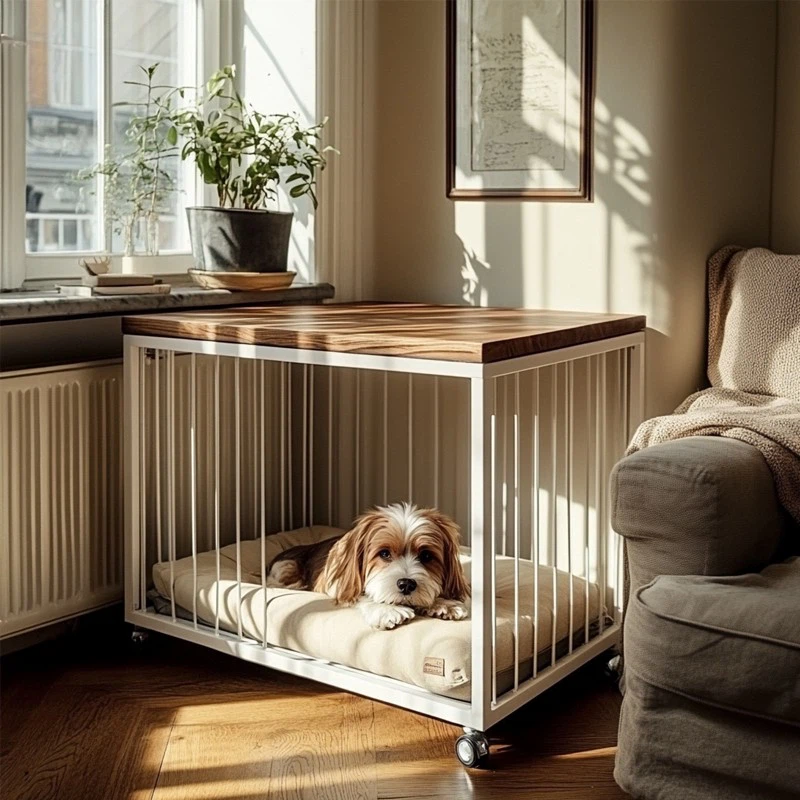
The key to getting your dog comfortable with the crate is to introduce it gradually. Start by placing the crate in an area where your dog spends a lot of time, such as the living room. Leave the door open and encourage your dog to explore the crate at their own pace. You can place some soft bedding and a few of your dog's favorite toys inside to make it more inviting.
When your dog shows interest in the crate, offer them treats and praise. This positive reinforcement will help your dog associate the crate with good things. Avoid forcing your dog into the crate or using it as a form of punishment, as this can create negative associations.
Feeding Your Dog in the Crate
One effective way to get your dog used to the crate is to start feeding them inside it. Begin by placing your dog's food bowl just outside the crate. As your dog gets used to eating near the crate, gradually move the bowl closer to the entrance. Eventually, place the bowl all the way inside the crate.
This process helps your dog develop positive associations with the crate. Over time, your dog will start to look forward to mealtime in the crate and will enter it willingly. Make sure to keep the door open during these initial feeding sessions so that your dog doesn't feel trapped.
Closing the Door for Short Periods
Once your dog is comfortable eating in the crate with the door open, you can start closing the door for short periods while they're eating. Start with just a few seconds and gradually increase the time as your dog becomes more relaxed.
During this phase, it's important to stay nearby and offer plenty of praise and encouragement. If your dog starts to show signs of distress, such as whining or scratching at the door, open the door immediately and give them a break. Don't punish your dog for their anxiety; instead, try again later with a shorter time period.
Increasing the Time in the Crate
As your dog becomes more accustomed to having the door closed, you can start leaving them in the crate for longer periods. However, it's important not to overdo it, especially at the beginning. Puppies have smaller bladders and may need to be let out more frequently.
Start with 15 - 20 minutes and gradually increase the time over the course of a few weeks. You can use this time to run errands or do some household chores. Make sure to provide your dog with plenty of exercise and mental stimulation before putting them in the crate to help them relax.
Making the Crate a Comfortable Place
To ensure that your dog enjoys being in the crate, it's important to make it as comfortable as possible. Choose a soft and washable bedding material that will keep your dog warm and cozy. You can also add a few toys or a chew bone to keep them occupied.
Keep the crate clean and free of any unpleasant odors. Regularly wash the bedding and wipe down the inside of the crate. If your dog has an accident in the crate, clean it up immediately and avoid scolding them, as this can create negative associations.
Using the Crate for Travel and Vet Visits
Once your dog is fully crate - trained, the crate can be a useful tool for travel and vet visits. A crate provides a safe and secure space for your dog during car rides, reducing the risk of distraction and injury. It can also help your dog feel more comfortable at the vet's office, as they'll be in a familiar environment.
When traveling with your dog, make sure to secure the crate properly in the car. You can use a seat belt or a crate anchor to prevent it from moving around. At the vet's office, bring along some of your dog's favorite toys and treats to make the experience more pleasant.
Troubleshooting Common Problems
Even with the best training, you may encounter some problems during the crate - training process. Here are some common issues and how to address them:
Whining and Barking
If your dog whines or barks when in the crate, it's important not to give in to their demands. This will only reinforce the behavior. Instead, wait for a moment of silence and then praise your dog and offer a treat. If the whining persists, you can try ignoring it for a short period, but make sure to check on your dog regularly to ensure they're not in distress.

Chewing on the Crate
Some dogs may try to chew on the crate, especially when they're first getting used to it. To prevent this, provide your dog with plenty of appropriate chew toys. You can also use a bitter - tasting spray on the edges of the crate to deter chewing.
Refusing to Enter the Crate
If your dog refuses to enter the crate, don't force them. Instead, try enticing them with treats or a favorite toy. You can also try feeding them their favorite meal in the crate to make it more appealing.
Conclusion
Crate training your dog takes time, patience, and consistency. By following these tips and making the crate a positive and comfortable place, you can help your dog develop a healthy relationship with their crate.
As a dog crate supplier, I'm here to support you in your crate - training journey. If you have any questions about choosing the right crate or need more advice on crate training, please feel free to reach out to me. I'm happy to help you find the perfect crate for your dog and ensure a successful training experience. Contact me to discuss your requirements and explore our range of high - quality dog crates.
References
- Overall, K. L. (2013). Clinical Behavioral Medicine for Small Animals. Mosby.
- McConnell, P. B. (2011). The Other End of the Leash: Why We Do What We Do Around Dogs. Ballantine Books.