


Hey there! I'm a supplier of Solid Timber Desks, and I've seen my fair share of issues when it comes to these beautiful pieces of furniture. One of the most common problems is warping. Warped desks not only look bad but can also affect their functionality. So, in this blog, I'm gonna share some tips on how to prevent a solid timber desk from warping.
Understanding Why Solid Timber Desks Warp
Before we jump into the prevention methods, it's important to understand why solid timber desks warp in the first place. Timber is a natural material, and it has a tendency to expand and contract based on the surrounding humidity and temperature. When there's a significant change in these environmental factors, the timber can absorb or release moisture, causing it to warp.
For example, if you place your desk in a room that's too humid, the timber will absorb the moisture and expand. On the other hand, if the room is too dry, the timber will release moisture and shrink. These changes in size can lead to warping, especially if the desk isn't properly acclimated or maintained.
Choose the Right Timber
The type of timber you choose for your desk plays a crucial role in preventing warping. Some timbers are more stable than others and are less likely to warp. For instance, hardwoods like oak, maple, and walnut are known for their durability and stability. They have a tight grain structure that makes them less prone to moisture absorption and expansion.
When selecting timber for your desk, make sure it's been properly kiln - dried. Kiln - drying removes most of the moisture from the timber, making it more stable. Avoid using green or freshly cut timber, as it contains a high amount of moisture and is very likely to warp as it dries.
Proper Installation and Placement
Where you place your solid timber desk matters a lot. Avoid placing it near sources of heat, such as radiators, fireplaces, or direct sunlight. The heat can cause the timber to dry out too quickly, leading to warping. Similarly, keep the desk away from areas with high humidity, like bathrooms or kitchens.
During installation, make sure the desk is level. An uneven surface can put stress on the timber, causing it to warp over time. If you're assembling the desk yourself, follow the instructions carefully and use the right tools.
Acclimate the Timber
Acclimation is an important step that's often overlooked. Before you start using your solid timber desk, let it acclimate to the environment where it will be placed. This means leaving the desk in the room for a few days to a week, depending on the size and type of timber.
During this time, the timber will adjust to the humidity and temperature of the room. It will absorb or release moisture until it reaches an equilibrium with the surrounding environment. This helps to reduce the risk of warping once the desk is in use.
Control the Environment
Maintaining a stable environment is key to preventing warping. You can use a humidifier or dehumidifier to control the humidity levels in the room. The ideal humidity range for solid timber furniture is between 30% and 50%.
A hygrometer can be a handy tool to measure the humidity in the room. If the humidity is too high, use a dehumidifier to remove excess moisture. If it's too low, a humidifier can add moisture to the air.
In addition to humidity, try to keep the temperature in the room consistent. Avoid sudden changes in temperature, as this can also cause the timber to expand or contract rapidly.
Use Protective Finishes
Applying a protective finish to your solid timber desk can help prevent warping. Finishes like varnish, oil, or wax create a barrier that protects the timber from moisture absorption. They also enhance the appearance of the desk and make it easier to clean.
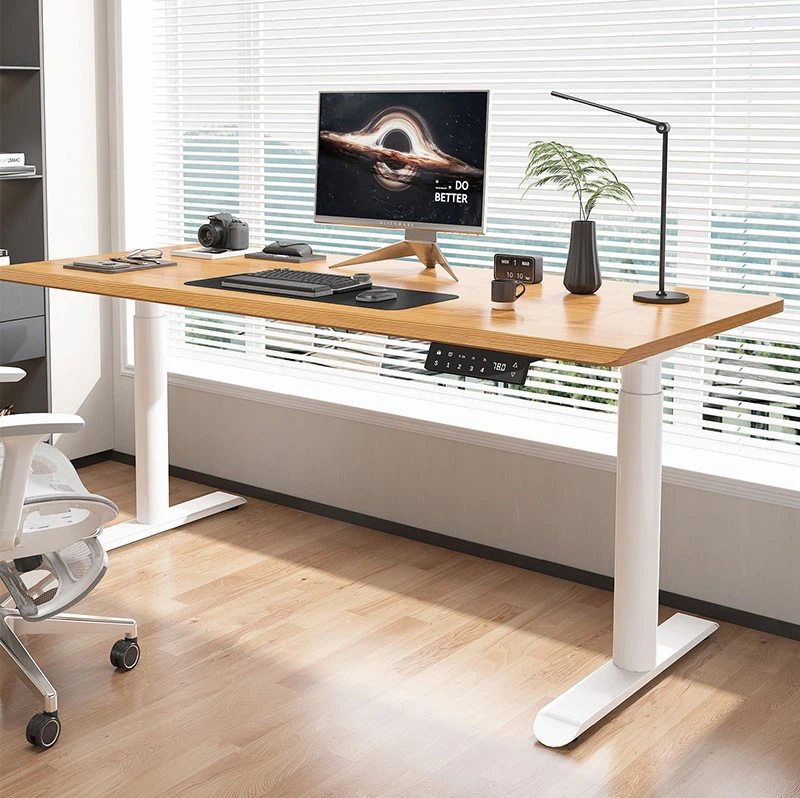
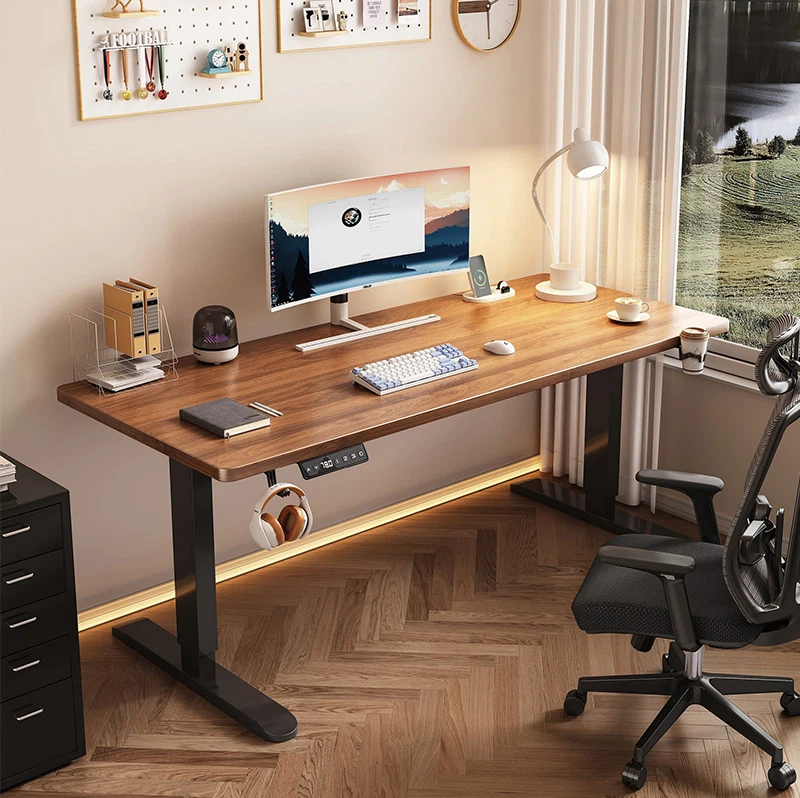
When applying a finish, make sure to follow the manufacturer's instructions. Apply multiple thin coats rather than one thick coat for better results. Re - apply the finish periodically to maintain its protective properties.
Regular Maintenance
Regular maintenance is essential for keeping your solid timber desk in good condition. Wipe the desk down regularly with a soft, dry cloth to remove dust and debris. Avoid using harsh chemicals or abrasive cleaners, as they can damage the finish and the timber.
If you spill something on the desk, clean it up immediately. Liquids can seep into the timber and cause warping or staining. Use a mild soap and water solution to clean stubborn stains, and dry the area thoroughly afterward.
Accessories to Consider
There are some accessories that can help protect your solid timber desk. For example, a luxury genuine Leather Desk Matt can provide a protective layer between your desk and any items you place on it. It can prevent scratches and reduce the risk of moisture damage.
If you're looking for a more versatile option, an l shaped adjustable electric rising desk can be a great choice. It allows you to adjust the height of the desk, which can be useful for different tasks. And if you need extra storage, a Solid Natural Timber Desk with drawers provides a convenient solution while keeping the beauty of solid timber.
Conclusion
Preventing a solid timber desk from warping requires a combination of proper selection, installation, placement, and maintenance. By choosing the right timber, controlling the environment, using protective finishes, and performing regular maintenance, you can ensure that your desk stays beautiful and functional for years to come.
If you're interested in purchasing a high - quality solid timber desk or have any questions about preventing warping, feel free to get in touch with us. We're here to help you make the best choice for your needs.
References
- "Wood Handbook: Wood as an Engineering Material", Forest Products Laboratory
- "Understanding Wood: A Craftsman's Guide to Wood Technology", R. Bruce Hoadley