


How to choose a display cabinet with a unique design?
In the world of business and personal collections, a display cabinet serves as more than just a storage unit; it's a statement piece that showcases your items in the best possible light. As a display cabinet supplier, I've witnessed firsthand the transformative power of a well - designed display cabinet. In this blog, I'll guide you through the process of choosing a display cabinet with a unique design that meets your specific needs.
1. Determine Your Purpose
The first step in selecting a display cabinet is to clearly define its purpose. Are you planning to showcase high - end jewelry in a retail store, display collectible toys at home, or present artifacts in a museum? The intended use will greatly influence the design features you'll need.
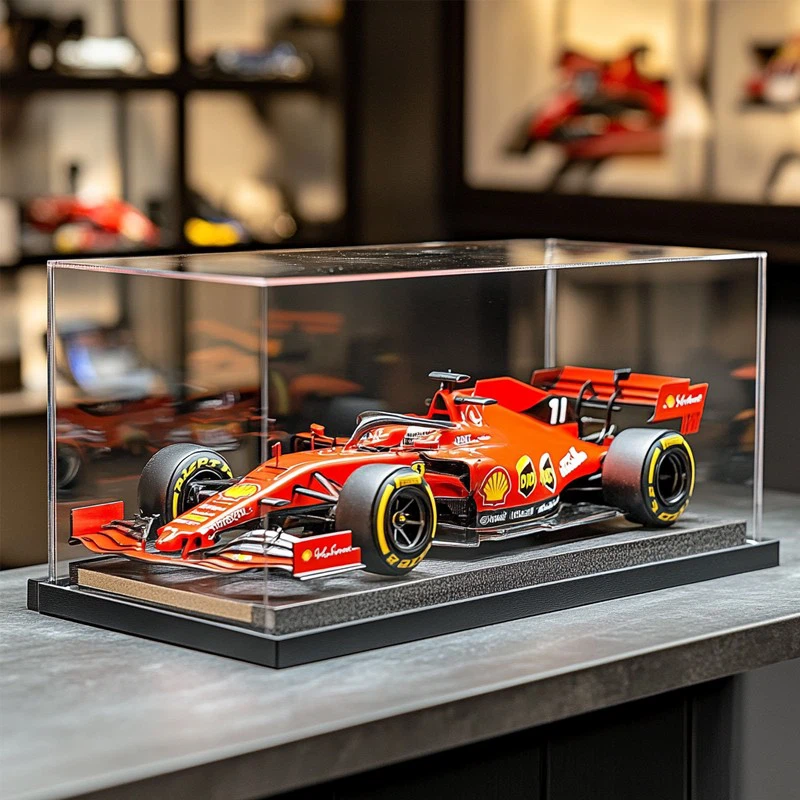
For instance, if you're in the jewelry business, you'll require a display cabinet with excellent lighting to highlight the sparkle of the gems. Adjustable shelving is also crucial to accommodate different sizes of jewelry pieces. On the other hand, if you're displaying large - scale collectible toys, a cabinet with a spacious interior and clear visibility from all angles would be ideal. You can explore our 20 inch acrylic Toy Display Case which is specifically designed for this purpose.
2. Consider the Space
The location where the display cabinet will be placed plays a significant role in its design selection. Measure the available space carefully, taking into account not only the floor area but also the height and width of the area. A display cabinet that is too large for the space will look overwhelming and may obstruct movement, while one that is too small will not effectively showcase your items.
If you have a small retail space, a wall - mounted display cabinet can be a great option. It saves floor space and can create a focal point on the wall. For larger areas, a freestanding display cabinet can serve as a centerpiece. Additionally, consider the traffic flow in the area. You don't want the cabinet to block the natural movement of people, especially in a commercial setting.
3. Material Selection
The material of the display cabinet affects both its durability and aesthetic appeal. Common materials used for display cabinets include wood, glass, acrylic, and metal.
Wood is a classic choice that adds warmth and elegance to any space. It comes in various finishes, such as oak, cherry, and walnut, allowing you to match it with your existing decor. However, wood may require more maintenance to prevent scratches and warping.
Glass is a popular option for its transparency, which provides unobstructed views of the displayed items. Tempered glass is often used for safety reasons, especially in high - traffic areas. Acrylic, on the other hand, is a lightweight and shatter - resistant alternative to glass. It is also more flexible in terms of design, as it can be easily molded into different shapes. Our Made Acrylic Display Case is a prime example of the versatility of acrylic in display cabinet design.
Metal, such as stainless steel or aluminum, offers a modern and industrial look. It is highly durable and resistant to corrosion, making it suitable for both indoor and outdoor use.
4. Lighting Design
Proper lighting is essential for a display cabinet. It not only illuminates the items but also enhances their visual appeal. There are several types of lighting options available, including LED, fluorescent, and halogen.
LED lighting is energy - efficient, long - lasting, and produces little heat. It comes in a variety of colors, allowing you to create different moods. You can use LED strip lights along the edges of the shelves or behind the items to create a dramatic effect. Fluorescent lights are also energy - efficient and provide even illumination, but they may not offer the same color rendering as LED lights. Halogen lights, while they produce a warm and bright light, consume more energy and generate more heat.
Consider the type of items you're displaying when choosing the lighting. For example, if you're showcasing colorful items, a lighting option with high color rendering index (CRI) is recommended to accurately represent the colors.
5. Security Features
In a commercial setting or when displaying valuable items, security is a top priority. Look for display cabinets with built - in security features such as locks, alarms, and anti - theft glass or acrylic.
A high - quality lock mechanism can prevent unauthorized access to the cabinet. Some display cabinets come with electronic locks that can be programmed with a unique code. Alarms can be triggered if the cabinet is tampered with or opened without authorization. Anti - theft glass or acrylic is designed to resist breakage and can provide an additional layer of protection.
6. Customization Options
A unique design often involves customization. Many display cabinet suppliers, including ourselves, offer customization services to meet your specific requirements. You can choose the size, shape, color, and features of the cabinet according to your preferences.
Customization allows you to create a display cabinet that is truly one - of - a - kind. For example, you can add personalized signage or branding elements to the cabinet to promote your business. You can also request special shelving configurations or compartments to accommodate unique items.

7. Aesthetic Appeal
The overall aesthetic of the display cabinet should complement the style of your space and the items you're displaying. Consider the design trends and the theme of your business or collection.
If you're going for a modern and minimalist look, a display cabinet with clean lines and a simple color palette is a good choice. For a more traditional or vintage style, you can opt for a cabinet with ornate details and decorative elements. The color of the cabinet also matters. Neutral colors like white, black, and gray are versatile and can match most decor styles, while bold colors can make a statement.
8. Budget
Your budget is an important factor in the decision - making process. Display cabinets can vary widely in price depending on the materials, size, features, and level of customization.
Set a realistic budget before you start shopping. While it's tempting to go for the most luxurious option, make sure it aligns with your financial resources. You can often find a balance between quality and cost by exploring different suppliers and comparing prices. Remember that a well - made display cabinet is an investment that can enhance the value of your items and your business.
In conclusion, choosing a display cabinet with a unique design requires careful consideration of your purpose, space, materials, lighting, security, customization, aesthetics, and budget. As a display cabinet supplier, I'm committed to helping you find the perfect cabinet that meets all your requirements. If you're interested in exploring our range of display cabinets or have any questions about customization, feel free to contact us for a procurement discussion. We look forward to working with you to create a display solution that showcases your items in the best possible way.
References
- "Display Cabinet Design Guide" - Interior Design Magazine
- "Materials for Display Cabinets: A Comparative Analysis" - Furniture Industry Journal
- "Lighting Strategies for Display Cases" - Retail Display Association Report