


As a supplier of Metal Table Legs, I've encountered numerous customers who express concerns about their metal table legs leaving unsightly marks on the floor. This is a common issue that can detract from the aesthetic appeal of your space and potentially cause long - term damage to your floors. In this blog post, I'll share some effective strategies to prevent metal table legs from marking the floor.
Understanding the Problem
Before we delve into the solutions, it's important to understand why metal table legs mark the floor. Metal is a hard material, and when it comes into contact with a softer floor surface such as wood, laminate, or vinyl, friction can occur. Every time the table is moved, even slightly, the metal legs can scrape against the floor, leaving scratches, scuffs, or dents. Additionally, the weight of the table can exacerbate the problem, as more pressure is applied to the contact points between the legs and the floor.
Using Protective Pads
One of the simplest and most cost - effective ways to prevent floor marking is by using protective pads on the bottom of the metal table legs. There are several types of pads available in the market, each with its own advantages.
Rubber Pads
Rubber pads are a popular choice because they provide excellent grip and cushioning. They are soft enough to prevent scratches but also durable enough to withstand regular use. You can easily find rubber pads in different sizes and shapes to fit the bottom of your metal table legs. Simply clean the bottom of the legs, peel off the adhesive backing of the pad, and stick it firmly in place. Rubber pads are suitable for most floor types, including hardwood, tile, and vinyl.
Felt Pads
Felt pads are another great option, especially for delicate floors like hardwood or laminate. Felt is a soft and gentle material that glides smoothly across the floor, reducing friction and preventing scratches. Similar to rubber pads, felt pads come with an adhesive backing for easy installation. However, felt pads may need to be replaced more frequently than rubber pads, especially if the table is moved often.
Plastic Caps
Plastic caps are a more heavy - duty option. They are designed to cover the entire bottom of the metal leg, providing a protective barrier between the metal and the floor. Plastic caps are available in various colors and styles, allowing you to choose one that matches the look of your table legs. They are particularly useful for tables that are subject to a lot of movement or weight, such as dining tables or workbenches.
Employing Floor Mats
Floor mats can also be an effective solution to prevent floor marking. They act as a buffer between the metal table legs and the floor, absorbing the impact and reducing friction.
Area Rugs
Area rugs are a versatile option that can add both style and protection to your floor. You can choose a rug that complements the decor of your room and place it under the table. Make sure the rug is large enough to cover the area where the table legs rest. Area rugs are suitable for all types of floors, and they can also help to reduce noise when the table is moved.
luxury genuine Leather Desk Matt
For office desks, a luxury genuine leather desk mat can be a great choice. Not only does it protect the floor from scratches, but it also adds a touch of elegance to your workspace. Leather is a durable material that can withstand the weight of the desk and the movement of the chair. It is easy to clean and maintain, making it a practical option for busy offices.
Proper Table Placement and Movement
In addition to using protective pads and floor mats, proper table placement and movement can also help prevent floor marking.
Avoid Dragging
One of the most common causes of floor marking is dragging the table across the floor. Instead of dragging, lift the table slightly and move it to the desired location. If the table is too heavy to lift, use a furniture dolly or ask someone for assistance.
Choose the Right Location
When placing the table, choose a location that is free from uneven surfaces or obstacles. Uneven floors can cause the table to wobble, increasing the pressure on the legs and potentially leading to floor marking. Also, avoid placing the table near doors or high - traffic areas where it is more likely to be bumped into.
Regular Maintenance
Regular maintenance of your metal table legs and floors can also help prevent floor marking.

Clean the Legs
Periodically clean the bottom of the metal table legs to remove any dirt, debris, or rust. Dirt and debris can act as abrasives, causing scratches on the floor. You can use a mild detergent and a soft cloth to clean the legs. If there is rust on the legs, use a rust remover to clean it off.
Inspect the Pads
Check the protective pads on a regular basis to make sure they are still in good condition. If a pad is worn out or damaged, replace it immediately. Worn - out pads can no longer provide adequate protection, increasing the risk of floor marking.
Special Considerations for Different Floor Types
Different floor types require different prevention methods.
Hardwood Floors
Hardwood floors are beautiful but also prone to scratches. In addition to using protective pads and floor mats, you can also apply a protective finish to the floor. A high - quality hardwood floor finish can create a barrier between the floor and the metal table legs, reducing the risk of scratches.
Laminate Floors
Laminate floors are more resistant to scratches than hardwood floors, but they can still be damaged by metal table legs. Use soft - bottomed pads such as felt pads to prevent scratches. Avoid using abrasive cleaners on laminate floors, as they can damage the surface.
Tile Floors
Tile floors are generally more durable than hardwood or laminate floors. However, the grout between the tiles can be easily damaged. Use rubber pads or plastic caps on the metal table legs to prevent damage to the grout. If the table is placed on a tile floor, make sure the legs are evenly distributed to avoid putting too much pressure on one area.
Solid Natural Timber Desk with drawers and white Epoxy Resin computer desk
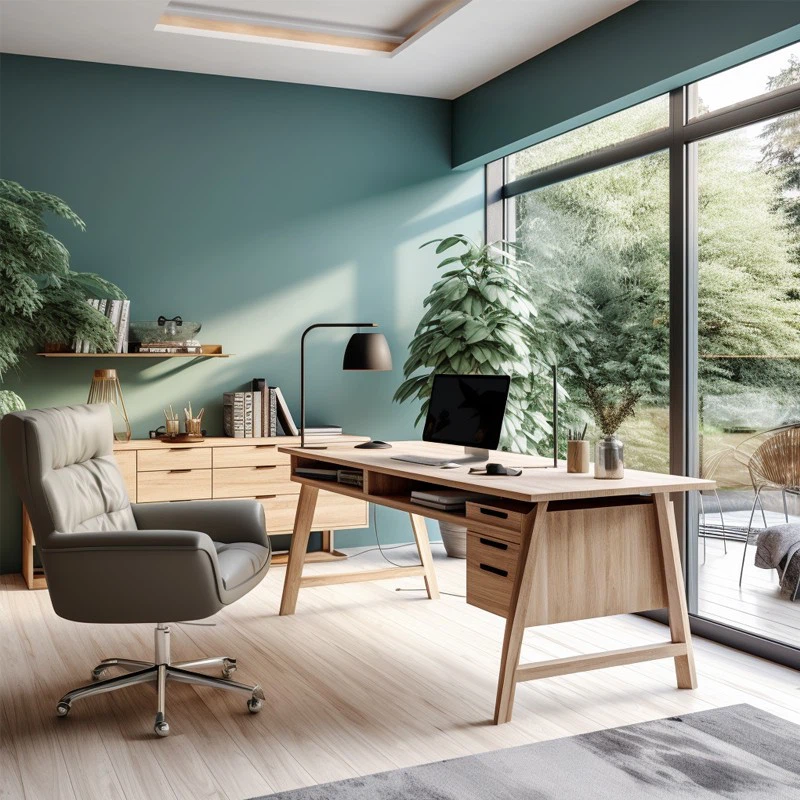
If you are using a Solid Natural Timber Desk with drawers or a white Epoxy Resin computer desk, make sure to choose the appropriate prevention methods based on the type of floor they are placed on. These desks are often heavy and require proper protection to prevent floor marking.
In conclusion, preventing metal table legs from marking the floor requires a combination of using protective pads, floor mats, proper table placement and movement, and regular maintenance. By following these strategies, you can keep your floors looking beautiful and free from scratches.
If you are in the market for high - quality metal table legs, I encourage you to reach out for a procurement discussion. Our metal table legs are not only sturdy and durable but also designed to complement a variety of table styles. Whether you are a furniture manufacturer, an interior designer, or a homeowner, we can provide you with the perfect metal table legs for your needs.
References
- "Furniture Protection for Floors" by Home Improvement Association.
- "Floor Care and Maintenance Guide" by Flooring Manufacturers Council.