


Solid wood closets are a popular choice for homeowners due to their natural beauty, durability, and timeless appeal. As a solid wood closet supplier, I often get asked whether these closets need to be treated with anti-mold agents. In this blog post, I'll explore this question in detail, considering the factors that contribute to mold growth, the benefits and drawbacks of using anti-mold treatments, and the best practices for maintaining a mold-free solid wood closet.
Understanding Mold Growth
Mold is a type of fungus that thrives in warm, moist environments. It can grow on a variety of surfaces, including wood, and can cause a range of problems, from cosmetic damage to health issues. The primary factors that contribute to mold growth are moisture, temperature, and the presence of organic material.
Wood is an organic material, which means it provides a suitable food source for mold. When wood is exposed to high levels of moisture, it becomes more susceptible to mold growth. This can occur if the closet is located in a damp area, such as a basement or a bathroom, or if there is a leak or high humidity in the surrounding environment.
The Benefits of Anti-Mold Treatments
Applying an anti-mold agent to a solid wood closet can offer several benefits. Firstly, it can help prevent mold growth, protecting the aesthetic and structural integrity of the wood. Mold can cause discoloration, warping, and decay, which can significantly reduce the lifespan and value of the closet. By using an anti-mold treatment, you can extend the life of your solid wood closet and keep it looking beautiful for years to come.
Secondly, anti-mold treatments can improve indoor air quality. Mold spores can become airborne and cause respiratory problems, allergies, and other health issues, especially for those with weakened immune systems. By preventing mold growth, you can create a healthier living environment for you and your family.
The Drawbacks of Anti-Mold Treatments
While anti-mold treatments offer many benefits, there are also some potential drawbacks to consider. Some anti-mold agents contain chemicals that can be harmful to the environment and human health. These chemicals can release volatile organic compounds (VOCs) into the air, which can cause irritation to the eyes, nose, and throat, as well as more serious health problems over time.
In addition, some anti-mold treatments may alter the appearance of the wood. They can change the color or finish of the wood, which may not be desirable for those who want to maintain the natural look of their solid wood closet.
When to Use Anti-Mold Treatments
Whether or not to use an anti-mold treatment on a solid wood closet depends on several factors. If the closet is located in a high-humidity area, such as a bathroom or a basement, or if there is a history of mold growth in the space, it may be a good idea to use an anti-mold treatment. Similarly, if the closet will be used to store items that are particularly susceptible to mold, such as clothing or linens, an anti-mold treatment can provide an extra layer of protection.
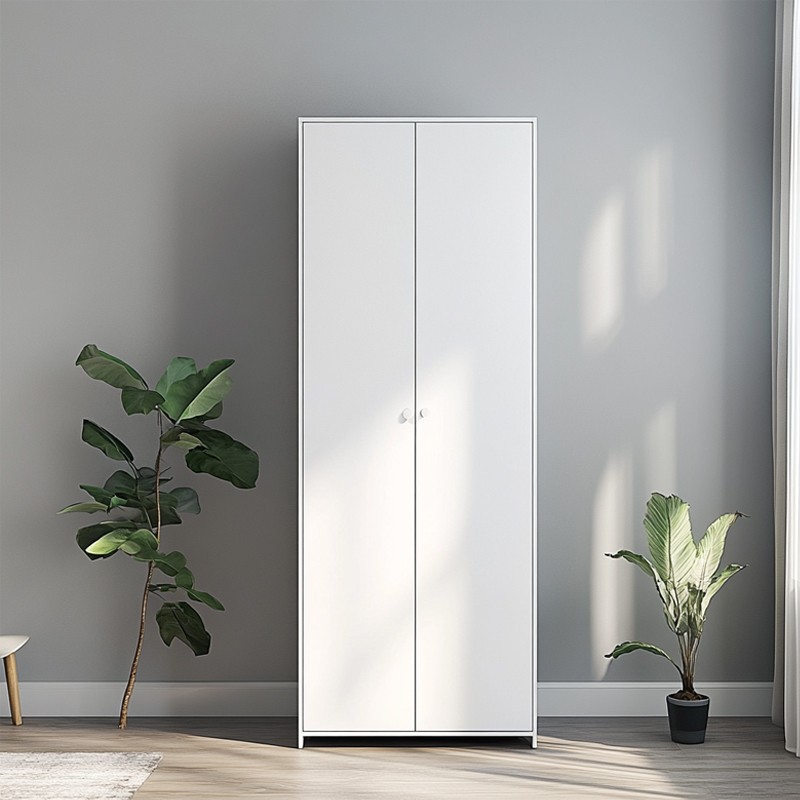

On the other hand, if the closet is located in a dry area with good ventilation, and there is no history of mold growth, an anti-mold treatment may not be necessary. In these cases, proper maintenance and regular cleaning can be sufficient to prevent mold growth.
Best Practices for Maintaining a Mold-Free Solid Wood Closet
Regardless of whether you choose to use an anti-mold treatment, there are several best practices you can follow to maintain a mold-free solid wood closet.
- Control Humidity: Keep the humidity level in the room where the closet is located between 30% and 50%. You can use a dehumidifier to reduce humidity, especially in areas with high moisture levels.
- Ensure Proper Ventilation: Make sure the closet has adequate ventilation. You can do this by leaving the closet door slightly ajar or by installing vents in the closet.
- Regular Cleaning: Clean the closet regularly to remove dust, dirt, and any potential food sources for mold. Use a mild cleaner and a soft cloth to avoid damaging the wood.
- Inspect Regularly: Check the closet regularly for signs of mold growth, such as discoloration, musty odors, or visible mold. If you notice any signs of mold, take immediate action to address the problem.
Conclusion
In conclusion, whether or not to treat a solid wood closet with an anti-mold agent depends on the specific circumstances. If the closet is in a high-risk environment for mold growth, an anti-mold treatment can be a worthwhile investment to protect the wood and improve indoor air quality. However, it's important to choose an environmentally friendly and safe anti-mold agent and to follow the manufacturer's instructions carefully.
As a solid wood closet supplier, I offer a range of high-quality large solid wood closets that are built to last. If you're considering purchasing a solid wood closet, I'd be happy to discuss your needs and help you choose the best option for your home. We also offer a variety of other wardrobe styles, including double metal framed fabric wardrobes and 150cm high mirrored sliding wardrobes.
If you're interested in learning more about our products or have any questions about mold prevention in solid wood closets, please feel free to contact us. We're here to help you make the best decision for your home and ensure that you're completely satisfied with your purchase.
References
- "Mold Growth and Prevention." Environmental Protection Agency.
- "Wood Preservation and Protection." Forest Products Laboratory.
- "Indoor Air Quality and Mold." World Health Organization.