


Can I use a solid wood closet in a humid environment?
As a supplier of solid wood closets, this is a question I'm frequently asked by customers. The answer isn't a simple yes or no. It involves a comprehensive understanding of the characteristics of solid wood, the impact of a humid environment, and the necessary precautions.
Solid wood closets have long been favored for their natural beauty, durability, and timeless appeal. The unique grain patterns and warm tones of solid wood add an element of elegance to any room. However, wood is a natural material, and it has a complex relationship with moisture.
In a humid environment, the most significant challenge for solid wood is its ability to absorb and release moisture. Wood is hygroscopic, which means it can take in and give out water vapor based on the relative humidity of the surrounding air. When the humidity is high, solid wood will absorb moisture, causing it to expand. Conversely, in a dry environment, it will release moisture and contract. This continuous expansion and contraction can lead to several problems.
One of the most common issues is warping. As different parts of the solid wood closet absorb and release moisture at different rates, the wood can bend or twist out of shape. This not only affects the aesthetic appearance of the closet but also its functionality. For example, doors may not close properly, and drawers may become difficult to open or close. Another problem is cracking. The internal stress caused by the expansion and contraction can cause the wood to split, especially at the joints or edges. This can compromise the structural integrity of the closet and reduce its lifespan.
Mold and mildew growth is also a major concern in a humid environment. Wood provides an ideal substrate for mold and mildew, which thrive in damp conditions. Mold and mildew not only look unsightly but can also pose health risks, especially for people with allergies or respiratory problems. They can also weaken the wood over time, further damaging the closet.
Despite these challenges, it is still possible to use a solid wood closet in a humid environment with the right precautions. Firstly, choosing the right type of wood is crucial. Some woods are more resistant to moisture than others. For example, teak, cedar, and oak are known for their natural resistance to decay and moisture. These woods contain natural oils and tannins that act as a protective barrier against moisture and fungi. When selecting a solid wood closet, look for one made from these moisture-resistant woods.
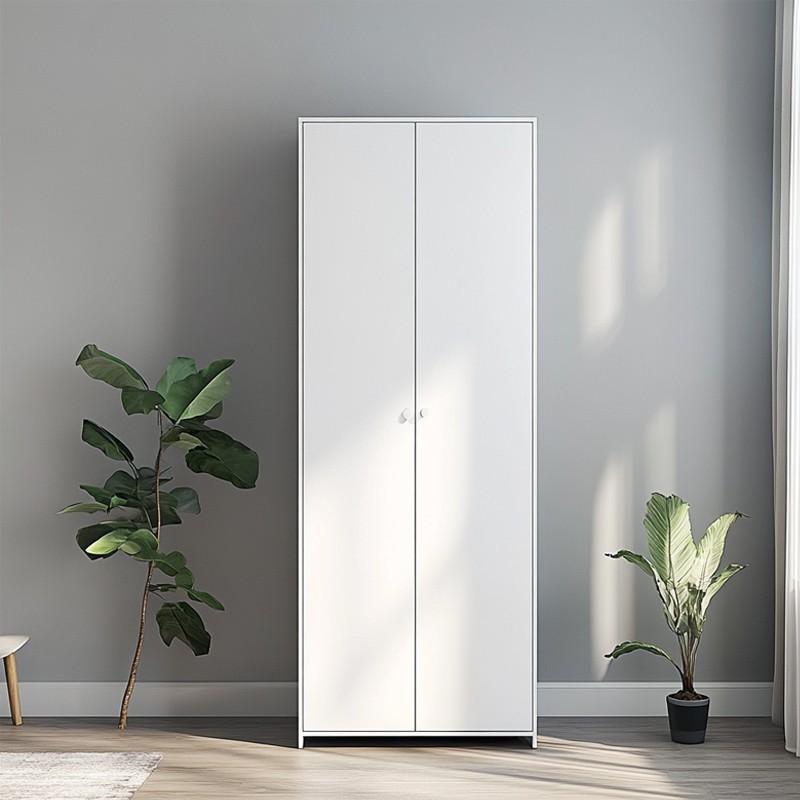
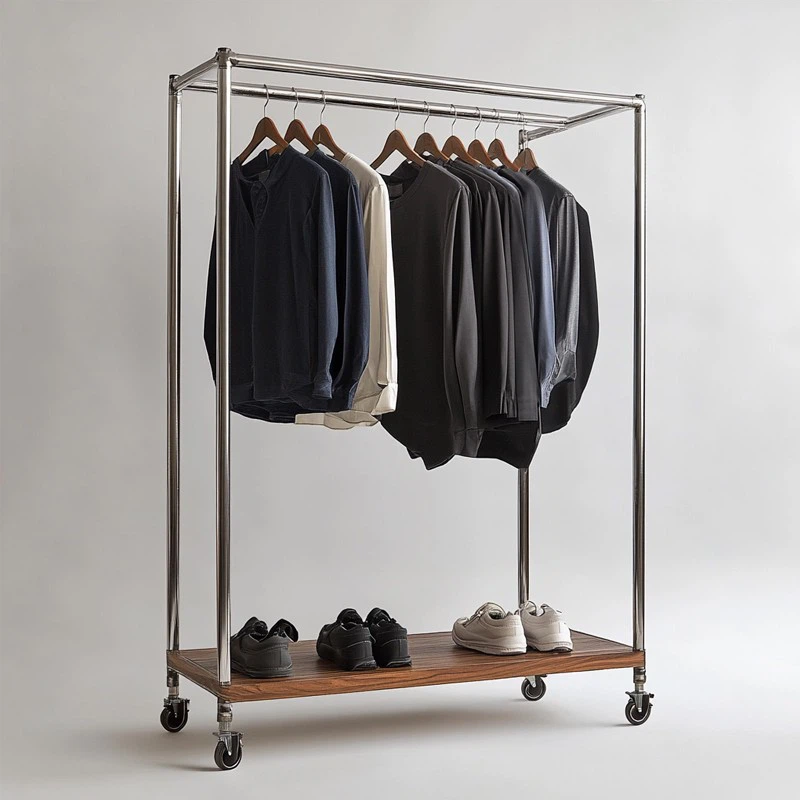
Proper finishing is also essential. A high-quality finish can create a protective layer on the surface of the wood, preventing moisture from penetrating. There are various types of finishes available, such as varnish, lacquer, and oil. Varnish provides a hard, durable finish that is resistant to moisture and scratches. Lacquer offers a smooth, glossy finish and is also relatively moisture-resistant. Oil finishes, on the other hand, penetrate the wood and enhance its natural beauty while providing some protection against moisture. Make sure the solid wood closet is properly finished on all sides, including the interior and edges.
In addition to choosing the right wood and finish, controlling the humidity in the environment is key. Using a dehumidifier can help maintain a stable humidity level. Aim for a relative humidity between 30% and 50%. This range is not only comfortable for humans but also helps prevent the wood from absorbing excessive moisture. You can also improve ventilation in the room by opening windows or using fans. Good air circulation can help reduce humidity and prevent the buildup of moisture.
Regular maintenance is also necessary to keep the solid wood closet in good condition. Wipe the closet regularly with a dry cloth to remove dust and moisture. Avoid using abrasive cleaners or harsh chemicals, as they can damage the finish. If you notice any signs of mold or mildew, clean the affected area immediately with a mild detergent and water. You can also use a mixture of vinegar and water, which is a natural and effective mold killer.
Now, let's compare solid wood closets with other types of wardrobes. For those who are concerned about the impact of humidity on wood, a double metal framed fabric wardrobe can be an alternative. Metal frames are generally more resistant to moisture than wood, and the fabric panels can provide a lightweight and affordable storage solution. However, they may not offer the same level of durability and aesthetic appeal as solid wood closets.
If you still prefer the look and feel of solid wood, our large solid wood closet is a great choice. It is made from high-quality, moisture-resistant wood and is carefully finished to provide maximum protection against humidity. Our closets are designed to be both functional and stylish, with ample storage space and a beautiful natural wood finish.
For those with limited space, our 150cm high mirrored sliding wardrobe is a practical option. The mirrored doors not only add a touch of elegance but also create an illusion of more space. The sliding doors are easy to operate and save space compared to traditional hinged doors.
In conclusion, while using a solid wood closet in a humid environment presents some challenges, it is definitely possible with the right precautions. By choosing the right wood, applying a proper finish, controlling the humidity, and performing regular maintenance, you can enjoy the beauty and functionality of a solid wood closet for many years to come.
If you are interested in our solid wood closets or have any questions about using them in a humid environment, please feel free to contact us for a purchase negotiation. We are committed to providing high-quality products and excellent customer service.
References
- "Wood Handbook: Wood as an Engineering Material." United States Department of Agriculture, Forest Service, Forest Products Laboratory.
- "Moisture and Wood: A Guide for the Wood Products Industry." Forest Products Society.