


As a display cabinet supplier, I often get asked a wide range of questions from customers. One question that has been popping up more frequently lately is, "Can I use a display cabinet for displaying plants?" It's an interesting query that combines the worlds of interior design and horticulture, and the answer isn't as straightforward as you might think.
The Feasibility of Using Display Cabinets for Plants
Benefits
- Protection
Display cabinets can offer excellent protection for your plants. They act as a barrier against dust, dirt, and physical damage. For instance, if you have a valuable or delicate plant species, a display cabinet can shield it from accidental knocks or from being disturbed by pets. It also protects the plant from sudden drops in temperature, which can be especially beneficial during the colder months. - Aesthetic Appeal
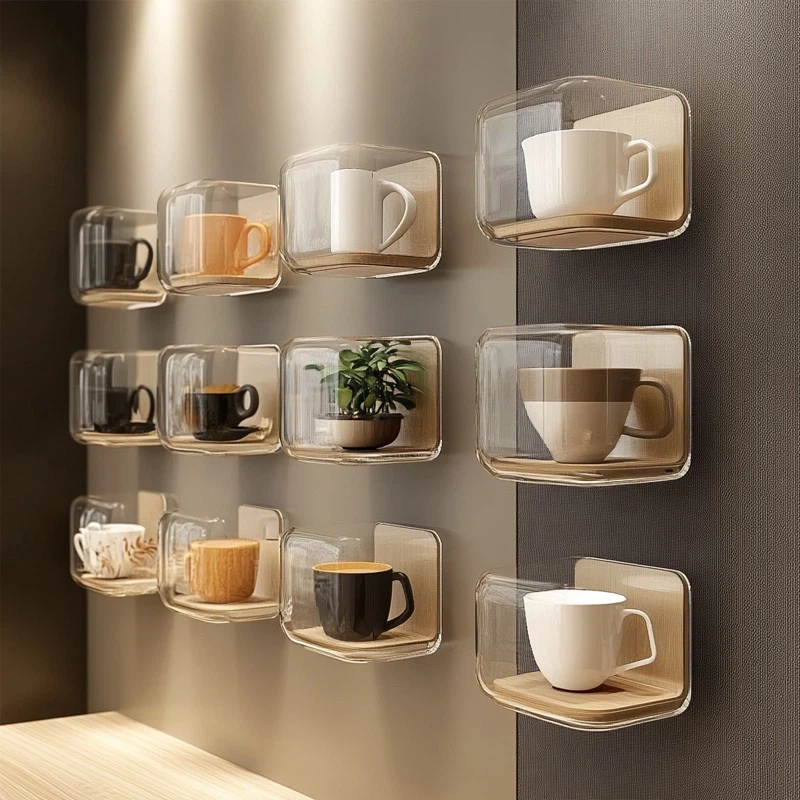
A well - chosen display cabinet can enhance the visual appeal of your plants. It can serve as a focal point in a room, creating a mini - botanical showcase. You can select a cabinet with different materials, such as wood, glass, or acrylic, to match the overall decor of your space. For example, a sleek 20 inch acrylic Toy Display Case can give a modern and clean look to your plant display, while a wooden cabinet can add a touch of warmth and rustic charm. - Controlled Environment
Some display cabinets can help create a more controlled environment for your plants. You can regulate factors like light and humidity to some extent. For example, if you place the cabinet near a window, you can control the amount of sunlight the plant receives by adjusting the blinds or curtains. And by adding a small humidifier inside the cabinet, you can maintain the ideal moisture level for your plant's growth.
Challenges
- Ventilation
One of the biggest challenges of using a display cabinet for plants is ensuring proper ventilation. Plants need fresh air to carry out photosynthesis and respiration. Without adequate ventilation, the air inside the cabinet can become stagnant, leading to the growth of mold and mildew. This can harm the plants and also create an unpleasant smell in the room. - Lighting
While some cabinets can help control light, they can also pose problems if the light is not sufficient. Most plants require a certain amount of sunlight or artificial light to thrive. If the cabinet is placed in a dark corner or has a design that blocks too much light, the plants may not grow properly. You may need to install additional grow lights inside the cabinet to ensure the plants get enough light. - Space Constraints
Plants need space to grow and spread their roots. A display cabinet may have limited space, which can restrict the growth of larger plants. You need to carefully select plant species that are suitable for the size of the cabinet. For example, small succulents or air plants are often a good choice as they don't require a lot of space.
Choosing the Right Display Cabinet for Plants
Size
The size of the display cabinet is crucial. You need to consider the mature size of the plants you want to display. If you plan to grow plants that will eventually become large, choose a cabinet with enough height and width. A small cabinet may be suitable for a few small plants or for starting seedlings, but for larger specimens, you'll need a more spacious option.
Material
As mentioned earlier, different materials have different aesthetic and functional properties. Glass cabinets are great for allowing light to penetrate, but they can also heat up quickly in direct sunlight. Acrylic cabinets, like the Made Acrylic Display Case, are lightweight and shatter - resistant, making them a good choice for displaying plants in areas where there is a risk of breakage. Wooden cabinets can provide insulation but may require more maintenance to prevent rot and insect damage.
Design Features
Look for cabinets with features that can address the challenges mentioned above. For example, a cabinet with adjustable shelves can allow you to customize the space for different plant sizes. Cabinets with ventilation holes or built - in fans can help improve air circulation. And cabinets with removable panels or doors can make it easier to access the plants for watering, pruning, and maintenance.
Plant Selection for Display Cabinets
Succulents
Succulents are a popular choice for display cabinets. They are known for their ability to store water in their leaves, stems, or roots, which means they don't require a lot of watering. They also come in a wide variety of shapes, sizes, and colors, making them visually appealing. Some common succulents include aloe vera, jade plants, and echeverias.
Air Plants
Air plants, or Tillandsias, are another great option. They don't need soil to grow; they absorb nutrients and moisture from the air. This makes them ideal for display cabinets as they don't require a large amount of space for root growth. You can mount them on decorative objects inside the cabinet for an interesting display.
Ferns
Ferns can add a touch of lushness to your display cabinet. They prefer a more humid environment, which can be achieved by misting the cabinet regularly or using a small humidifier. However, they also need good air circulation to prevent fungal diseases.
Maintenance Tips
Watering
Watering plants in a display cabinet requires careful attention. Since the environment inside the cabinet is more enclosed, the soil may dry out more slowly. You need to check the soil moisture regularly and water only when the top inch or so of the soil is dry. Over - watering can lead to root rot, while under - watering can cause the plants to wilt.
Cleaning
Regular cleaning of the display cabinet is essential. Remove any dead leaves or debris from the plants and the cabinet. Wipe the inside and outside of the cabinet with a damp cloth to prevent the buildup of dust and dirt. This will not only keep the plants healthy but also maintain the aesthetic appeal of the display.

Pruning
Prune your plants regularly to keep them in shape and promote healthy growth. Remove any yellow or damaged leaves, as well as any overgrown branches. This will also help prevent the plants from becoming too crowded inside the cabinet.
Conclusion
In conclusion, using a display cabinet for displaying plants is indeed possible, but it comes with its own set of challenges and considerations. With the right choice of cabinet, plant selection, and proper maintenance, you can create a beautiful and unique plant display that will enhance the look of your home or office.
If you're interested in exploring our range of display cabinets for your plant display needs, we'd love to hear from you. Our team of experts can provide you with more information and help you find the perfect cabinet for your requirements. Whether you're a seasoned plant enthusiast or just starting out, we're here to assist you in creating a stunning plant showcase. Contact us today to start the procurement and negotiation process.
References
- Smith, J. (2020). The Art of Indoor Plant Display. Green Thumb Press.
- Johnson, A. (2019). Plant Care in Enclosed Spaces. Horticulture Journal.
- Brown, L. (2021). Choosing the Right Display Cabinet for Your Needs. Interior Design Magazine.