


Hey there! As a supplier of metal table legs, I often get asked some interesting questions from customers. One question that pops up quite a bit is, "Can I mix different types of metal table legs on one table?" Well, let's dig into this topic and find out.
The Aesthetic Aspect
First off, let's talk about the look. Mixing different types of metal table legs can create a unique and eye - catching aesthetic. You know, it's like adding a bit of spice to your table. For example, you could pair a sleek, modern chrome leg with a more rustic, wrought - iron leg. This contrast can make your table stand out in a room.
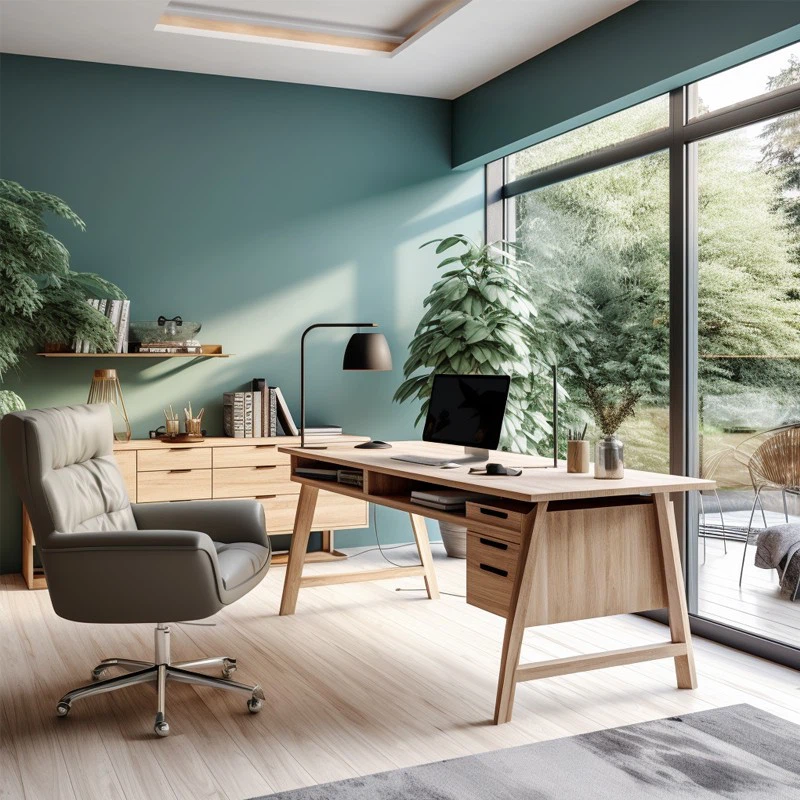
Imagine having a Solid Natural Timber Desk with drawers. A combination of different metal legs can add a touch of character to this otherwise classic piece. The modern leg might bring out the contemporary feel of the desk, while the rustic leg can add a sense of warmth and history. It's all about creating a visual statement that suits your personal style.
But, it's not always a walk in the park. You have to be careful with the color and finish of the metal. If you mix a shiny, polished brass leg with a dull, matte black leg, it might end up looking like a mismatch rather than a well - thought - out design. So, when you're planning to mix, make sure the colors and finishes complement each other. You could go for a monochromatic look, like using different shades of silver or gold, or choose colors that are opposite each other on the color wheel for a more vibrant effect.
The Structural Consideration
Now, let's get down to the nitty - gritty of the structural part. When you mix different types of metal table legs, you need to think about the stability of the table. Different metals have different properties, like strength and flexibility. For instance, steel is known for its high strength, while aluminum is lighter and more flexible.
If you mix a very strong steel leg with a relatively weaker aluminum leg, the load distribution on the table might not be even. This could lead to problems in the long run, like the table wobbling or even one of the legs breaking under pressure. To avoid this, you need to make sure that all the legs can support the weight of the tabletop and whatever you're going to put on it.
It's also important to consider the height of the legs. Even a small difference in height can make the table unstable. So, when you're choosing different types of legs, measure them carefully to ensure they are all the same height. If not, you might need to make some adjustments, like adding shims to the shorter legs.
The Practicality Factor
Another thing to think about is practicality. Different metals have different levels of durability and maintenance requirements. For example, stainless steel is very resistant to corrosion, so it's a great choice for a table that might be exposed to moisture or humidity. On the other hand, iron legs might rust if they're not properly treated.
If you're using the table in a high - traffic area or for heavy - duty purposes, you'll want to choose legs that can withstand the wear and tear. Mixing a highly durable leg with a less durable one might mean that you'll have to replace one of the legs sooner than the others. This can be a hassle and a waste of money.
Mixing Styles for Different Table Types
Let's look at how mixing metal table legs can work for different types of tables.
Dining Tables
For a dining table, you want something that's both stylish and stable. You could mix a set of minimalist, straight - lined legs with a couple of curved, decorative legs. This can add a touch of elegance to your dining area. But remember, since a dining table is used for heavy use, like placing heavy dishes and having people sitting around it, you need to ensure that all the legs are strong enough.
Coffee Tables
Coffee tables are more about style and creating a cozy atmosphere. Mixing different types of metal legs can give your coffee table a bohemian or eclectic look. You could pair a simple, square - shaped leg with a more ornate, scroll - shaped leg. And since coffee tables usually don't bear as much weight as dining tables, you have a bit more flexibility in your choices.
Office Tables
When it comes to office tables, functionality is key. A white Epoxy Resin computer desk can benefit from a mix of practical and stylish legs. For example, you could use a set of sturdy, adjustable legs for stability and a couple of decorative legs to add a bit of personality. But make sure that the legs don't interfere with the movement of office chairs or any other equipment.
Accessorizing with Mixed Legs
Once you've decided to mix different types of metal table legs, you can also accessorize your table to enhance the look. You could add a luxury genuine Leather Desk Matt to a dining or office table. The leather can add a touch of sophistication and also protect the tabletop.
You can also play around with different tablecloths or runners. A patterned tablecloth can complement the mixed - leg look and tie the whole design together.
Conclusion
So, can you mix different types of metal table legs on one table? The answer is yes, but with some careful planning. You need to consider the aesthetic, structural, and practical aspects. If done right, mixing different types of metal table legs can create a truly unique and beautiful piece of furniture that suits your style and needs.
If you're interested in exploring different types of metal table legs for your next project, whether you want to mix them or not, I'd love to chat. We have a wide range of metal table legs in different styles, colors, and finishes. Just reach out, and we can start discussing the perfect legs for your table.

References
- Interior Design Magazine, various issues on furniture design
- Engineering textbooks on materials and structural stability